Youthscape Home


Translating God
A ground-breaking research project exploring the world of Gen Z, and their engagement with Christianity. Read on to find out more and get involved…




A ground-breaking research project exploring the world of Gen Z, and their engagement with Christianity. Read on to find out more and get involved…

Satellites is a summer event for young people, brought to you by the team at Youthscape. It’s a five-day gathering, designed to inspire teenagers to live with God at the centre of their lives for the other 360 days of the year.

Join a thousand youth leaders, volunteers and church leaders for a weekend of training, resources and inspiration.


Book now to attend the 2024 Lecture in person or online. It’s free but you must register in advance.



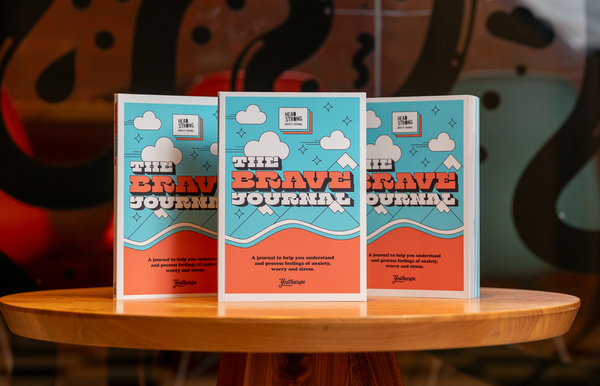
A journal to help young people understand and process feelings of anxiety, worry and stress.
£6.00
£11.00

£30.00
£24.00
( £28.99)



Exploring the sacred with young people

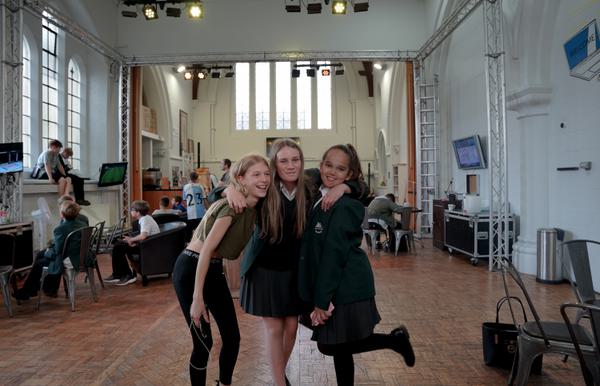
Relational Hubs are open-access community youth projects, with an after-school ‘drop-in’ at the centre. The Youthscape Centre for Research was commissioned to learn more about the work of three of these hubs, and the impact they have.

Artificial intelligence is rapidly advancing. Recent research has shown that the education system is lagging, and as a result young people aren’t being prepared for the future working world.

How do young people see the world differently from older generations? The Changing Childhood study polled views on climate, technology, mental health and the future – here’s some headlines.


Luton Unite is a cross-church partnership project that brings young people from different churches together once a month to worship God and have fun together.

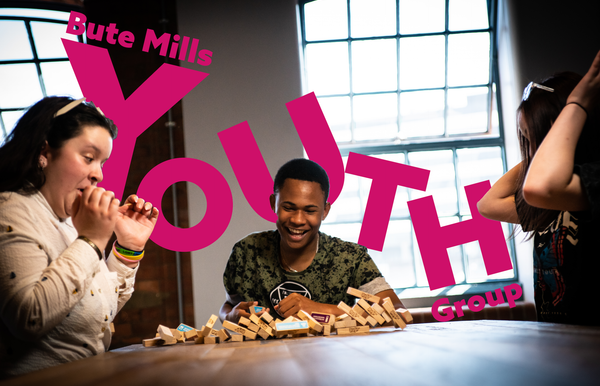
Bute Mills Youth Group takes place every Monday during term time from 4pm-5.30pm for young people in school years 7 and 8.


Compass is an ambitious, intensive and impactful project aimed at helping 13-14-year-old young people disconnected from school, at risk of becoming NEET (not in Education, Employment or Training) post-16.


In 2014, we developed our own five stage process for innovation. Find out what those stages are and how we use them.


A smartphone app is not the product solution you’re looking for! Our Director of Innovation explains why creative, pioneering work requires thinking beyond what’s already popular.
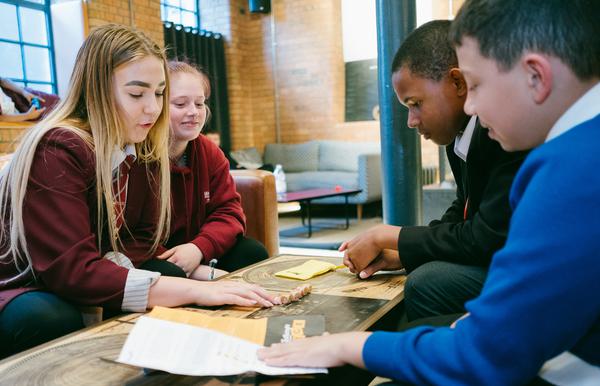
Young people meet, think and congregate completely differently to the way they did just 25 years ago. Youth work needs to find ways of keeping up.

More than a buzzword: our innovation specialist Hannah explains the essentials of innovation, with five practical pointers on how to cultivate it in your youth work context.
 More Info